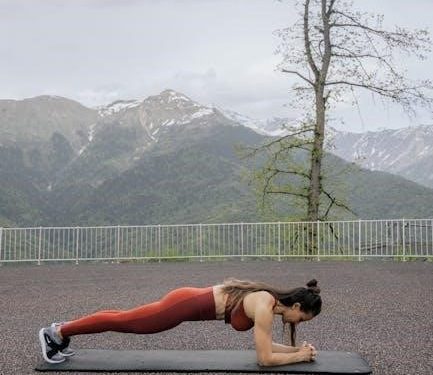
Scapular stabilization exercises are vital for shoulder health, addressing muscle imbalances and improving movement patterns. Protocols often include warm-ups, flexibility, and strengthening routines.
What is Scapular Stabilization?
Scapular stabilization refers to the ability of the muscles surrounding the scapula (shoulder blade) to control its movement and maintain optimal positioning during various arm activities. This involves coordinated action of the trapezius, rhomboids, and serratus anterior muscles. Effective stabilization ensures the scapula moves efficiently, providing a stable base for shoulder function.
It’s about dynamic control, not rigid fixation, allowing for a full range of motion while preventing abnormal movements like excessive anterior tipping. Proper stabilization is crucial for preventing shoulder impingement and related pain syndromes, as highlighted in studies focusing on exercise protocols for impingement.
Why is Scapular Stabilization Important?
Scapular stabilization is paramount for optimal shoulder mechanics and preventing injuries. It directly impacts glenohumeral joint function, enhancing force production and reducing stress. Weakness or dysfunction in scapular stabilizing muscles can lead to altered movement patterns, contributing to impingement syndrome and medial elbow pain, as seen in treatment plans focusing on the middle and lower trapezius.
Restoring control improves scapular and glenohumeral control, crucial for functional activities. Randomized controlled trials demonstrate that targeted exercises decrease pain and disability, proving its effectiveness in rehabilitation programs lasting six weeks.
Understanding Scapular Dyskinesis
Scapular dyskinesis refers to altered scapular movement, often involving abnormal positioning like anterior tipping, impacting shoulder function and potentially causing pain.
Types of Scapular Dyskinesis
Scapular dyskinesis manifests in various forms, categorized by observed movement impairments. One common type involves prominent inferior angle, alongside medial border prominence, indicating weakness in lower trapezius and serratus anterior. Another presents with upward rotation deficit, often linked to rhomboid and middle trapezius dysfunction.
These dyskinetic patterns can be further classified as global, affecting overall scapular motion, or local, impacting specific movements. Identifying the specific type is crucial for tailoring effective scapular stabilization exercises. Corrective strategies aim to restore normal scapulohumeral rhythm and address underlying muscle imbalances, improving shoulder mechanics and reducing pain.
Causes of Scapular Dyskinesis
Scapular dyskinesis arises from a complex interplay of factors, often stemming from muscle imbalances around the scapula. Weakness in key stabilizers like the serratus anterior, lower trapezius, and rhomboids frequently contributes to altered movement patterns. Poor posture, repetitive overhead activities, and previous shoulder injuries can also play a significant role.
Furthermore, pain and inflammation can inhibit muscle activation, exacerbating dyskinesis. Addressing these underlying causes is paramount when designing scapular stabilization exercise programs. A comprehensive assessment is needed to identify specific impairments and guide targeted interventions, restoring optimal scapulohumeral rhythm.
Muscles Involved in Scapular Stabilization
Key muscles include the trapezius (upper, middle, lower), rhomboids (major & minor), and serratus anterior, working synergistically for optimal scapular control and movement.
Trapezius Muscles (Upper, Middle, Lower)
The trapezius is a large muscle spanning the neck, shoulders, and upper back, crucial for scapular movement. The upper trapezius elevates and rotates the scapula, while the middle trapezius retracts it. Strengthening the middle trapezius is particularly important for scapular stability, counteracting anterior tipping. The lower trapezius depresses and upwardly rotates the scapula, opposing the upper fibers.
Effective exercises target all three portions, improving overall scapular control. Protocols emphasize strengthening these muscle groups to restore proper biomechanics and reduce shoulder impingement risk. Addressing imbalances within the trapezius is key for functional movement.
Rhomboids (Major & Minor)
Rhomboid muscles, major and minor, lie deep to the trapezius and are essential for scapular retraction and downward rotation. They work synergistically with the middle trapezius to stabilize the scapula against the thoracic wall. Strengthening the rhomboids helps correct rounded shoulder posture and prevents scapular winging.
Exercises targeting these muscles focus on squeezing the shoulder blades together. A treatment plan may specifically target rhomboid and trapezius strength and endurance. Improving rhomboid function is vital for restoring optimal scapulohumeral rhythm and reducing shoulder pain.
Serratus Anterior
Serratus anterior plays a crucial role in protracting the scapula, rotating it upward, and holding it firmly against the thoracic wall. It’s vital for overhead movements and preventing scapular winging. Weakness in the serratus anterior can contribute to scapular dyskinesis and shoulder impingement.
Exercises targeting this muscle focus on scapular protraction, like serratus anterior punches. Physiotherapists recognize its relevance, as evidenced by exercises included in treatment inventories. Strengthening the serratus anterior optimizes scapular and glenohumeral control, restoring shoulder stability.

Scapular Stabilization Exercise Protocols
Effective protocols integrate warm-up, flexibility, and strengthening exercises, focusing on the trapezius, rhomboids, and serratus anterior for optimal scapular control.
Warm-up Exercises
Prior to scapular stabilization work, a thorough warm-up is crucial. A 10-minute walking warm-up on a treadmill, like the DK City-DX3-B1, prepares the muscles. Gentle range-of-motion exercises, such as arm circles and shoulder shrugs, increase blood flow and flexibility. These movements prime the scapulothoracic muscles – trapezius, rhomboids, and serratus anterior – for more demanding exercises.
Dynamic stretches, like scapular protraction and retraction, further enhance muscle activation and prepare the shoulder complex for functional movements. A well-executed warm-up minimizes injury risk and maximizes exercise effectiveness, setting the stage for successful scapular stabilization.
Flexibility Exercises
Integrating flexibility exercises is essential for optimal scapular movement. Stretching the pectoral muscles – often tight in individuals with scapular dyskinesis – opens the chest and allows for greater scapular retraction. Corner stretches and doorway pec stretches are effective options.
Additionally, stretching the levator scapulae and upper trapezius muscles releases tension and improves neck and shoulder mobility. Gentle cervical stretches, combined with scapular tilts, enhance overall flexibility. These exercises improve range of motion, reduce muscle imbalances, and prepare the scapulothoracic muscles for strengthening, contributing to better shoulder function.
Strengthening Exercises
Strengthening the muscles responsible for scapular control is paramount. Protocols frequently target the trapezius (upper, middle, lower), rhomboids, and serratus anterior. Exercises focusing on middle and lower trapezius and rhomboid strength and endurance are particularly beneficial for controlling scapular anterior tipping.
Dynamic scapular motor control during functional exercises further enhances stability. Resistance band rows, scapular squeezes, and wall slides build endurance. Strengthening the serratus anterior promotes proper scapular protraction, crucial for overhead movements and preventing impingement. A comprehensive approach ensures balanced scapulothoracic muscle function.

Specific Exercises for Scapular Stabilization
Key exercises include wall slides, scapular protraction/retraction, rows (with bands or weights), lower trapezius strengthening, and serratus anterior punches for optimal control.
Wall Slides
Wall slides are a foundational exercise for scapular stabilization, promoting proper movement patterns and strengthening key muscles. To perform, stand with your back flat against a wall, feet slightly away from the base. Bend your elbows to 90 degrees, with your upper arms and elbows also against the wall.
Slowly slide your arms up the wall, maintaining contact with the wall throughout the movement. Focus on squeezing your shoulder blades together and down as you slide upwards. Avoid arching your back or lifting your shoulders. Lower your arms back to the starting position with controlled movement. This exercise targets the lower trapezius and serratus anterior, crucial for scapular stability.
Scapular Protraction & Retraction
Scapular protraction and retraction exercises enhance scapular control and muscle endurance. Begin seated or standing with good posture. Protraction involves rounding the upper back and reaching the shoulder blades forward, as if attempting to pinch them apart. Maintain a neutral spine and avoid shrugging.
Retraction is the opposite – squeezing the shoulder blades together, as if trying to hold a pencil between them. Focus on engaging the rhomboids and middle trapezius. Perform these movements slowly and deliberately, controlling the scapular motion. This dynamic duo builds strength and improves awareness of scapular positioning.
Rows (with resistance bands or weights)
Rows, performed with resistance bands or weights, are crucial for strengthening the rhomboids, middle trapezius, and posterior deltoids. Maintain a neutral spine and engage your core throughout the exercise. Pull the elbows back, squeezing the shoulder blades together, mimicking the scapular retraction movement.
Avoid using momentum; focus on controlled movement and muscle activation. Vary the resistance to challenge your muscles progressively. Proper form is paramount to prevent injury and maximize effectiveness. Rows directly address scapular stability, improving posture and reducing shoulder impingement risk.
Lower Trapezius Strengthening Exercises
Lower trapezius strengthening is fundamental for controlling scapular anterior tipping and promoting posterior tilt. Exercises include prone Ts, Ys, and Ws, focusing on depressing and retracting the scapula. Utilize light weights or resistance bands initially, prioritizing proper form over load.
Maintain a neutral spine and avoid shrugging the shoulders. These exercises directly counter the common postural imbalance of rounded shoulders. Consistent practice enhances scapular stability, reducing impingement risk and improving overall shoulder function. Targeting the lower traps is key for restoring optimal biomechanics.
Serratus Anterior Punches
Serratus anterior punches effectively target this crucial muscle for scapular protraction and upward rotation. Perform these by standing with good posture and extending one arm forward as if punching, focusing on reaching and rounding the upper back. Maintain a stable core and avoid excessive shoulder elevation.
Resistance bands can be added for increased challenge. This exercise combats scapular winging and improves dynamic scapular control during functional movements. Strengthening the serratus anterior is vital for optimal shoulder mechanics and preventing impingement. Proper execution ensures effective muscle activation.

Scapular Stabilization for Impingement Syndrome
Scapular stabilization exercises demonstrably reduce pain and disability in impingement syndrome, focusing on restoring proper scapulohumeral rhythm and muscle balance.
Effectiveness of Scapular Stabilization Exercises
Scapular stabilization exercises have proven effective in managing impingement syndrome, as evidenced by research like Hotta et al. (2018) conducted in Brazil. This study analyzed a scapula-focused exercise protocol, revealing statistically significant improvements in pain and disability levels within the intervention group compared to controls.
The treatment approach centered on strengthening the middle and lower trapezius, alongside the rhomboids, enhancing scapular stability and controlling anterior tipping during functional movements. These targeted exercises address biomechanical factors contributing to shoulder dysfunction, optimizing scapulothoracic muscle function and overall shoulder control.
Hotta et al. (2018) Study Findings
Hotta et al.’s 2018 Brazilian study demonstrated that specific scapular stabilization exercises effectively decrease pain and disability associated with impingement syndrome. The research employed a randomized controlled trial design, comparing an intervention group receiving scapular-focused exercises to a conventional exercise group over six weeks.
Statistical analysis revealed higher values in the intervention group, confirming the benefits of targeted scapular work. The protocol included a ten-minute treadmill warm-up, flexibility work, strengthening, and postural exercises, highlighting a comprehensive approach to restoring optimal shoulder mechanics and function.

Scapular Stabilization in Randomized Controlled Trials
Randomized controlled trials compare intervention groups—receiving scapular stabilization exercises for six weeks—with control groups using conventional methods, evaluating outcomes effectively.
Intervention vs. Control Groups
Studies demonstrate a clear distinction between groups receiving targeted scapular stabilization exercises and those undergoing conventional treatments. The intervention group (n=45) focused specifically on exercises designed to address identified scapular dyskinesis, lasting for a period of six weeks. Conversely, the control group (also n=45) engaged in standard exercises like pendulum movements, wall climbing, and stick exercises, also over six weeks.
This comparative approach allows researchers to isolate the effects of scapular-focused training. Statistical analysis reveals higher values in the intervention group, suggesting improved outcomes related to pain reduction and functional disability compared to the conventional exercise group. This highlights the potential benefits of a targeted approach.
Duration of Exercise Programs (6 Weeks)
Research indicates a six-week duration is frequently employed in studies evaluating scapular stabilization exercise protocols. Both the intervention and control groups in the Hotta et al. (2018) study adhered to a six-week exercise regimen, allowing for a reasonable timeframe to observe measurable changes in pain levels and functional abilities.
This timeframe appears sufficient to induce adaptations in scapular muscle strength, endurance, and motor control. Consistent participation throughout these six weeks is crucial for maximizing benefits. Longer durations may yield further improvements, but six weeks provide a practical and effective starting point for intervention.
Integrating Scapular Stabilization into a Treatment Plan
Treatment plans should address scapular anterior tipping with targeted exercises for the middle trapezius, rhomboids, and lower trapezius, enhancing functional control.
Addressing Anterior Scapular Tipping
Anterior scapular tipping is a common finding, often contributing to shoulder pain and dysfunction. A focused treatment approach, as demonstrated in clinical practice, prioritizes strengthening the muscles responsible for posterior tilting – specifically the middle trapezius and rhomboids.
Exercises should aim to control this tipping during functional movements like resisted elbow flexion. Implementing a protocol that emphasizes dynamic scapular motor control alongside strengthening is crucial. This ensures the patient can maintain proper scapular positioning throughout various activities, ultimately reducing pain and improving overall shoulder mechanics.
Effective interventions directly target the biomechanical factors contributing to this imbalance.
Functional Exercises with Scapular Control
Integrating scapular control into functional exercises is paramount for lasting improvements. Beyond isolated strengthening, patients must learn to maintain proper scapular positioning during real-life activities. This involves incorporating exercises that mimic movements required for daily tasks or specific sports.
Resisted elbow flexion with controlled scapular movement is a key component, addressing anterior tipping. Protocols should progress from simple movements to more complex, dynamic patterns. The goal is to translate gains made in isolated exercises to improved function and reduced pain during everyday use of the shoulder.
Progression of Scapular Stabilization Exercises
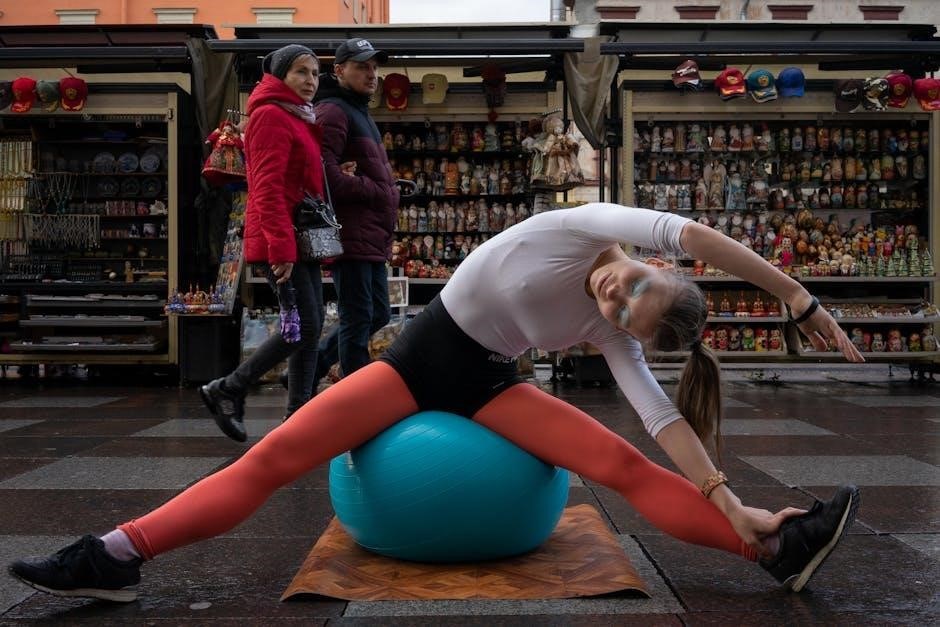
Exercise progression is crucial, starting with beginner-level movements and advancing to intermediate and advanced routines as strength and control improve consistently.
Beginner Level Exercises
Initial exercises focus on establishing foundational scapular control without significant resistance. Wall slides are excellent, promoting proper scapulohumeral rhythm and engaging lower trapezius muscles. Scapular protraction and retraction, performed gently, build awareness of movement.
These exercises should be performed with proper form, emphasizing controlled movements rather than speed or high repetitions. Begin with 10-15 repetitions of each exercise, focusing on maintaining good posture throughout. The goal is to activate the correct muscles and establish a mind-muscle connection, preparing for more challenging exercises later on.
Intermediate Level Exercises
Building upon the foundation, intermediate exercises introduce light resistance to challenge scapular stabilizers further. Rows with resistance bands, focusing on squeezing the shoulder blades together, strengthen rhomboids and middle trapezius. Progressing wall slides with band resistance adds intensity.
Lower trapezius strengthening can be enhanced with prone exercises, lifting arms slightly off the floor. Maintain controlled movements and proper form, increasing repetitions to 15-20 per set. Focus on dynamic scapular motor control during functional movements, integrating stability into everyday activities.
Advanced Level Exercises
For seasoned individuals, advanced exercises demand greater strength and control. Weighted rows with dumbbells or cable machines significantly challenge the scapular stabilizers. Incorporate scapular protraction and retraction with heavier resistance, maintaining perfect form.
Progress to push-up variations, emphasizing scapular setting before each repetition. Plyometric exercises, like medicine ball throws focusing on scapular control, enhance dynamic stability. Integrate these movements into functional patterns, simulating real-life activities, and prioritize maintaining proper biomechanics throughout.
PDF Resources for Scapular Stabilization Exercises
Reliable PDF guides offer structured exercise programs, detailed instructions, and visual aids for effective scapular stabilization, aiding consistent practice and progress.
Finding Reliable PDF Guides
Locating trustworthy PDF resources for scapular stabilization exercises requires careful consideration. Prioritize sources from reputable organizations like physiotherapy associations, university health centers, or certified athletic trainers. Look for guides created by qualified professionals with expertise in musculoskeletal rehabilitation.
Avoid PDFs from unknown websites or those lacking author credentials. A good guide will clearly outline exercise progressions, provide detailed instructions with images or videos, and emphasize proper form to prevent injury. Check for disclaimers advising consultation with a healthcare provider before starting any new exercise program. Peer-reviewed resources are also highly valuable.
Key Elements of a Good PDF Guide
Effective scapular stabilization PDF guides should feature clear, concise exercise descriptions accompanied by high-quality illustrations or videos demonstrating proper technique. A progressive approach is crucial, starting with beginner-level exercises and gradually increasing difficulty. The guide must detail warm-up and cool-down routines, emphasizing flexibility and postural awareness.
Essential components include modifications for different fitness levels and cautions regarding potential pain or discomfort. A good resource will also explain the underlying principles of scapular movement and the muscles involved, promoting understanding and adherence. Finally, it should encourage seeking professional guidance.
Monitoring Progress and Adjusting Exercises
Regularly assess scapular movement and pain levels during exercises; adjust protocols based on individual responses to optimize effectiveness and prevent injury.
Pain Management During Exercises
During scapular stabilization exercises, mild discomfort is acceptable, but sharp or increasing pain signals a need for immediate modification. Patients should be educated to differentiate between muscle soreness and pain indicative of tissue irritation. If pain arises, reduce the resistance, decrease the range of motion, or temporarily halt the exercise.
Prioritize proper form over intensity; incorrect technique can exacerbate pain. A gradual progression is crucial, avoiding sudden increases in load or repetitions. Consistent communication between the patient and therapist is essential to effectively manage pain and ensure a safe, productive exercise experience.
Assessing Scapular Movement
Regularly assessing scapular movement is crucial to track progress and adjust exercise protocols. Observation should focus on identifying any dyskinesis – abnormal movement patterns – such as winging, tilting, or limited range of motion. Functional assessments, like resisted elbow flexion, can reveal scapular control deficits.
Palpation can help identify muscle imbalances and trigger points. Documenting observations allows for objective monitoring of improvements. Comparing pre- and post-exercise movement patterns provides valuable feedback on exercise effectiveness and guides necessary modifications to optimize treatment outcomes.
Consistent scapular stabilization exercises are key for long-term shoulder health, improving function, and preventing re-injury through optimized muscle control and stability.
The Importance of Consistent Exercise
Maintaining a regular exercise routine focused on scapular stabilization is paramount for lasting benefits. Sporadic attempts yield temporary improvements, but consistent effort builds endurance and reinforces proper muscle activation patterns. This is especially crucial for individuals recovering from impingement syndrome, where targeted exercises demonstrably reduce pain and disability, as evidenced by studies like Hotta et al. (2018).
Furthermore, consistent practice ensures the integration of scapular control into functional movements, preventing compensatory patterns and minimizing the risk of future injury. A 6-week program, as seen in randomized controlled trials, can initiate significant positive changes, but continued adherence is essential for sustained scapular health and optimal shoulder function.
Long-Term Scapular Health
Prioritizing scapular health extends beyond rehabilitation; it’s a proactive approach to preventing future shoulder issues. Consistent engagement with stabilization exercises—targeting the trapezius, rhomboids, and serratus anterior—cultivates robust muscle endurance and refined motor control. This minimizes the likelihood of scapular dyskinesis and associated impingement syndromes.
Integrating these exercises into a lifelong fitness regimen ensures continued optimal biomechanics during daily activities and athletic pursuits. Remember, the goal isn’t just pain relief, but establishing a foundation for sustained shoulder stability and preventing recurrence, building upon the positive outcomes observed in intervention groups within clinical trials.