pin the tail on the donkey printable pdf

Pin the Tail on the Donkey Printable PDF: A Comprehensive Guide

Pin the Tail on the Donkey, a beloved classic, gains modern convenience with readily available printable PDF versions for effortless party planning and joyful entertainment!

What is “Pin the Tail on the Donkey”?

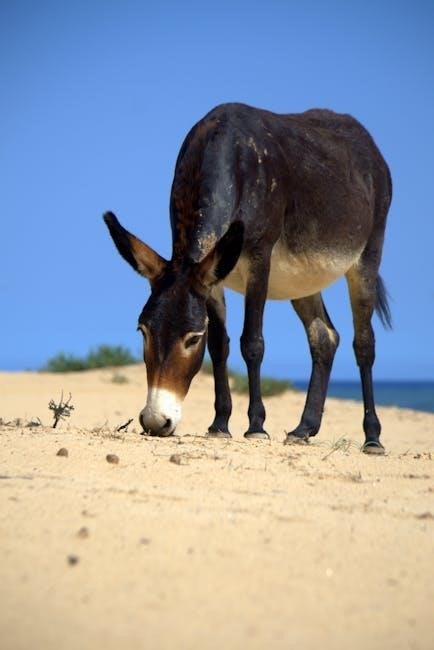
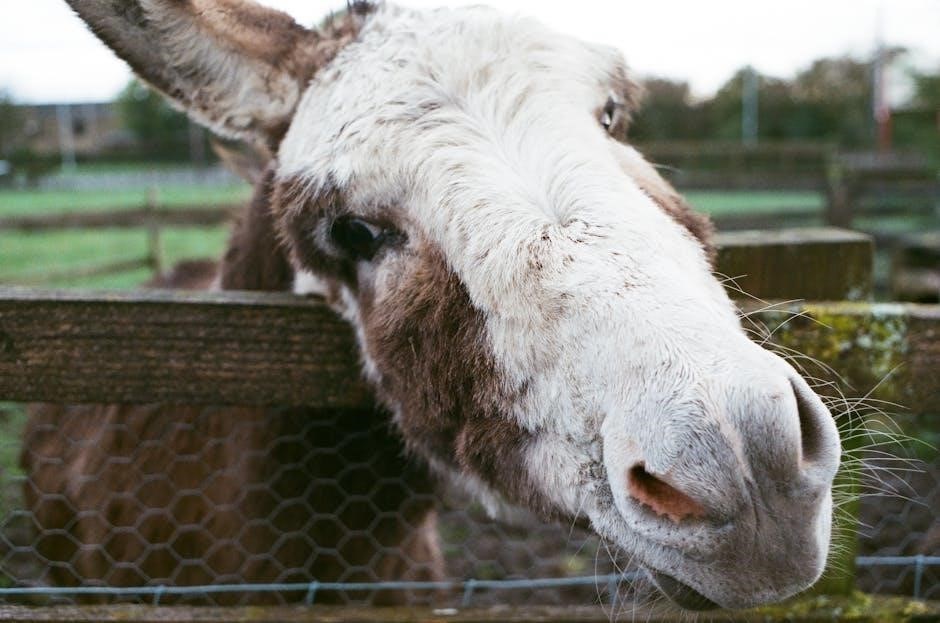
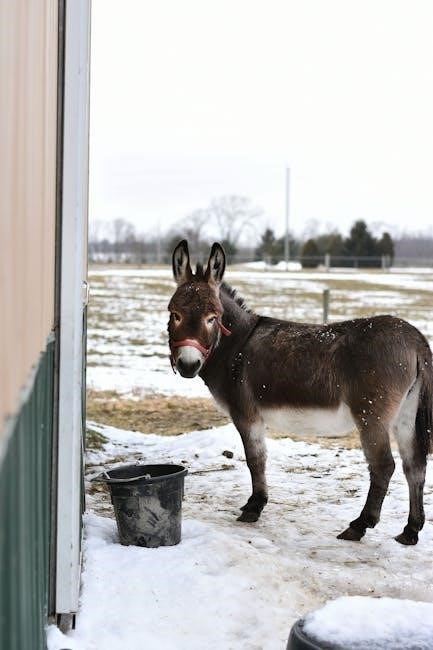
Pin the Tail on the Donkey is a classic party game enjoyed by generations, particularly popular at children’s birthday celebrations. The core concept is delightfully simple: a large image of a donkey, lacking a tail, is displayed, and players, while blindfolded, attempt to pin a separate tail piece onto the correct spot.

This game relies on a combination of luck, spatial reasoning (or lack thereof when blindfolded!), and a healthy dose of laughter. Traditionally, it involves spinning players around before they attempt to place the tail, adding to the challenge and comedic effect.

Today, the game is frequently accessed through printable PDF templates, offering a convenient and affordable alternative to purchasing physical game sets. These printable versions allow for easy setup and customization, making it a staple for quick and fun party activities. It’s a timeless game that continues to bring joy to parties!

The History and Origins of the Game

The origins of “Pin the Tail on the Donkey” trace back to the early 20th century, with its roots in a British game called “Pin the Tail on the Pig.” This earlier version was a parlor game enjoyed by adults, often with a more satirical or mischievous intent.

The transition to the donkey imagery and its association with children’s parties occurred in the United States. While the exact evolution isn’t definitively documented, it gained significant popularity throughout the mid-20th century, becoming a staple at birthday parties and gatherings.

The advent of printable PDF templates has further democratized the game, making it easily accessible to anyone with a printer. This modern adaptation ensures the game’s continued relevance, allowing new generations to experience the fun and silliness of this classic pastime. It’s a testament to the game’s enduring appeal!

Why Choose a Printable PDF Version?
Opting for a printable PDF version of “Pin the Tail on the Donkey” offers unparalleled convenience and cost-effectiveness. Forget scouring stores or waiting for shipping – instant access is at your fingertips! These digital templates eliminate the need for purchasing pre-made game sets, saving you money and reducing waste;

PDFs provide flexibility; easily print multiple copies for larger parties or reprint if needed. Many templates are customizable, allowing for personalized touches. The large format options, like the 25.5 x 33 inch size, are perfect for print shops, creating a visually impressive game.

Ultimately, a printable PDF empowers you to create a fun, engaging activity quickly and affordably, making party planning stress-free and enjoyable!

Finding the Perfect Printable Template

Discovering the ideal “Pin the Tail on the Donkey” template involves exploring both free and paid options, considering desired features and printing requirements for optimal fun!

Free vs. Paid Printable Options

Free printable templates for “Pin the Tail on the Donkey” are widely accessible online, offering a budget-friendly solution for party planning. These options often provide a basic, functional design suitable for casual gatherings and quick entertainment. However, the quality can vary significantly, sometimes lacking intricate details or high-resolution graphics.

Paid printable templates, conversely, generally boast superior design quality, offering more elaborate artwork, customizable features, and higher resolution images for sharper printing. These premium options often include additional elements like themed tails or background variations, enhancing the overall game experience. Furthermore, paid templates frequently come with dedicated customer support and guaranteed file compatibility.

The choice between free and paid ultimately depends on your budget, desired aesthetic, and the importance of print quality. For a simple, cost-effective game, free templates suffice, while those seeking a visually impressive and polished experience may prefer investing in a paid option.

Key Features to Look for in a Template

When selecting a “Pin the Tail on the Donkey” printable PDF, several key features enhance the gameplay experience. High-resolution graphics are crucial for clear, crisp printing, ensuring the donkey and tails are easily distinguishable. A well-defined donkey outline simplifies tail placement, while appropriately sized tails prevent accidental overlaps or easy wins.

Consider templates offering separate pages for the donkey and tails, facilitating easy cutting and organization. Customizable options, like space for writing names or adding dates, personalize the game. Look for designs that are visually appealing and age-appropriate for the party guests.

Finally, a template’s file format (PDF) should guarantee compatibility across various devices and printers, ensuring a hassle-free setup. Prioritizing these features guarantees a fun and engaging game for everyone involved!
Template Size and Printing Considerations (25.5 x 33 inches)

Choosing the right size for your “Pin the Tail on the Donkey” printable PDF is vital for optimal play. A larger format, such as 25.5 x 33 inches, is ideal for group participation, allowing ample space for players of all ages. This size often necessitates printing at a local print shop specializing in large-format posters.

When printing, ensure your printer settings are adjusted for the correct paper size and quality. High-quality paper stock prevents bleed-through and enhances the template’s durability. Consider a matte finish to reduce glare and improve visibility.

Before the final print, perform a test print to verify colors and alignment. Scaling options should be disabled to maintain the intended dimensions. A larger template creates a more immersive and enjoyable experience for all participants!

Preparing for the Game

Preparing for classic fun involves downloading your printable PDF, gathering essential materials, and ensuring a smooth, enjoyable experience for all eager participants!

Materials Needed: Beyond the PDF

Beyond the printable PDF donkey template, a successful “Pin the Tail on the Donkey” game requires a few key supplies. Firstly, you’ll need something to attach the tails – traditional options include push pins, though for younger children, consider using rolled-up tape or reusable adhesive putty for safety.

Of course, you’ll need the “tails” themselves, pre-cut from the PDF or ready to be snipped with scissors. A blindfold is crucial for fair play, ensuring each participant is truly guessing the donkey’s rear location.

Consider having a large, flat surface to affix the donkey poster – a wall, door, or even a large piece of cardboard works well. Finally, pens or markers can add a personalized touch, allowing players to initial their tails for easy identification after the game concludes. Don’t forget prizes for the winner!

How to Print the Donkey Template

Printing your printable PDF donkey template is straightforward, but quality matters! Open the PDF file using a reliable PDF viewer like Adobe Acrobat Reader. Before printing, check the print settings to ensure it’s set to “actual size” or “100% scale” to avoid distortion.

For optimal results, use a high-quality printer and standard printer paper or cardstock. If you’ve chosen a larger template (like 25.5 x 33 inches), consider using a local print shop for a poster-sized print.

Preview the print to confirm everything looks correct before committing to paper. Ensure the donkey image is clear and the lines are defined. A test print on plain paper can save ink and paper if adjustments are needed.

Cutting Out the Tails

Once the printable PDF donkey template is printed, the next step is preparing the tails! Carefully cut out the tail pieces along the designated lines. Precision isn’t crucial, as the game’s charm lies in the slightly wonky placements, but neat cuts enhance the overall appearance.

For younger children, adult supervision is recommended during this step, as scissors can be dangerous. Consider using safety scissors for added protection. You can cut out all the tails at once for efficiency, or do them in batches as needed.

Ensure you have enough tails for all players participating in the game. A little extra is always a good idea, just in case! These little tails are key to the fun, so take your time and enjoy the preparation.

Playing the Game: Rules and Variations

Pin the Tail on the Donkey is simple: blindfolded players attempt to affix a tail to the donkey, adding hilarious chaos and memorable moments for everyone involved!

Standard Gameplay Instructions

To begin, securely affix the printable donkey poster to a wall at a comfortable height for all players. Each participant, one at a time, is gently blindfolded, ensuring they cannot peek! Players are then spun around several times – typically three to five rotations – to disorient them slightly, enhancing the challenge and amusement.

Hand each player a detachable tail, often with a pre-applied adhesive or a pin for attachment. The player must then attempt to pin or stick the tail onto the designated spot on the donkey’s rear. No peeking is allowed! Once a player has placed their tail, remove the blindfold and record their attempt.

Continue until all players have had a turn. The player who places the tail closest to the correct spot is declared the winner, earning bragging rights and perhaps a small prize. Laughter and fun are the true rewards, however!

Adapting the Game for Different Age Groups

For younger children (ages 3-5), simplify the game by reducing the number of spins or eliminating them altogether. Consider using larger tails with stronger adhesive, as their motor skills are still developing. Focus on participation and fun rather than strict competition. Toddlers might enjoy simply sticking the tail anywhere on the donkey!

Older children (ages 6-10) can handle more spins and a more competitive environment. Introduce handicaps, like starting further away from the donkey, to level the playing field. Teenagers might appreciate a themed variation, like “Pin the Horn on the Unicorn” or a humorous twist on the classic.

To include all ages, create teams with mixed age groups, fostering collaboration and helping younger players. Remember to adjust the rules to ensure everyone feels included and enjoys the game. The goal is joyful participation!

Adding a Creative Twist: Tail Decoration

Elevate the classic Pin the Tail on the Donkey with a delightful crafting session! Before gameplay, provide players with materials like glitter, markers, stickers, and colorful paper to decorate their tails. This adds an artistic element and personalizes the experience.

Encourage creativity – perhaps themed tails based on favorite animals or characters! Decorated tails become keepsakes, extending the fun beyond the game itself. Consider a “best decorated tail” award for extra incentive.

For a simpler approach, pre-cut tails in various colors can be offered. This creative twist transforms a traditional party game into an engaging, artistic activity, appealing to a wider range of interests and fostering imagination.

Pinterest and Pin the Tail on the Donkey

Pinterest is brimming with Pin the Tail on the Donkey inspiration, offering diverse printable templates, creative ideas, and party planning tips for a memorable event!

Finding Inspiration on Pinterest

Pinterest serves as a vibrant hub for discovering unique and engaging Pin the Tail on the Donkey ideas, particularly concerning printable PDF templates. A quick search reveals a vast collection of designs, ranging from traditional donkey outlines to themed variations featuring popular characters or whimsical artwork.

Users frequently share links to free downloadable templates, alongside photos of completed game setups and creative tail decorations. Exploring different boards allows you to gather inspiration for customizing the game to suit a specific party theme or age group.

Beyond templates, Pinterest offers clever ideas for enhancing the gameplay experience, such as crafting personalized tails or incorporating scoring systems. With billions of Pins, you’re guaranteed to spark inspiration and find the perfect elements to create a fun and memorable activity for your next gathering. Saving and organizing these ideas onto dedicated boards keeps everything conveniently accessible.

Saving and Organizing Pin the Tail on the Donkey Ideas

Pinterest’s board system is invaluable for curating Pin the Tail on the Donkey inspiration, especially when focusing on printable PDF options. Create dedicated boards – perhaps titled “Party Games,” “Kids’ Birthdays,” or specifically “Donkey Tail Party” – to categorize the printable templates, decoration ideas, and gameplay variations you discover.

Pinning high-quality images of templates allows for easy visual reference when choosing a design. Organize Pins by theme (e.g., jungle, princess, superhero) or age appropriateness.

Utilize board descriptions to clarify the board’s focus, making it simpler to locate relevant ideas later. This organized approach ensures that when you’re ready to plan, all your Pin the Tail on the Donkey resources, including links to downloadable PDFs, are readily available and easily accessible, streamlining the party preparation process.
The Role of Pins (Fasteners) in General

Pins, traditionally used for fastening, connect materials; in Pin the Tail on the Donkey, they playfully secure the tail to the printable PDF donkey!

Types of Pins and Their Uses

Pins manifest in diverse forms, each tailored for specific applications beyond the playful context of Pin the Tail on the Donkey. Common types include straight pins – essential for sewing and fabric fastening – safety pins, offering a secure, clasp-based closure, and push pins, ideal for bulletin boards and temporary attachments.

Decorative head pins add flair to crafts, while map pins pinpoint locations. Even specialized pins exist, like those used in electronics or jewelry making. However, relating back to our game, the “pin” aspect is metaphorical; players aren’t physically pinning anything with a fastener! Instead, they’re attempting to adhere a paper tail to a printable PDF donkey image, relying on tape or adhesive.

The core function of a pin – to join or secure – is playfully reimagined in this party game, transforming a practical tool into a source of laughter and friendly competition. The game utilizes the idea of pinning, not the physical act, making it accessible and safe for all ages.

Pins as Fastening Devices

Traditionally, pins serve as crucial fastening devices, holding materials together through mechanical friction or secure closure. From the humble safety pin securing clothing to the intricate pins used in engineering assemblies, their purpose is fundamentally about connection and stability. They prevent slippage, maintain form, and offer a temporary or permanent bond.

However, in the context of Pin the Tail on the Donkey utilizing a printable PDF, the fastening element shifts. Players don’t employ actual pins! Instead, adhesive tape or sticky tack becomes the fastening agent, attaching the paper tail to the donkey’s image. This playful adaptation highlights how the concept of fastening is central to the game’s enjoyment.

The game cleverly borrows the idea of secure attachment, transforming it into a blindfolded challenge. It’s a lighthearted twist on a practical function, demonstrating how everyday objects and concepts can inspire fun and engaging activities.


manual for orbit sprinkler system

Orbit Sprinkler System Manual: A Comprehensive Guide

This comprehensive guide details troubleshooting, installation, operation, and maintenance for your Orbit sprinkler system, ensuring a lush, healthy lawn․

Orbit sprinklers offer reliable lawn watering, but occasional malfunctions occur; understanding common issues like clogged nozzles or valve problems is key․

From quick fixes to advanced diagnostics, this manual empowers you to maintain optimal performance, saving water and promoting vibrant growth․

Orbit has established itself as a leading innovator in residential and light commercial irrigation solutions, offering a diverse range of sprinkler system components designed for efficiency and ease of use․ This manual serves as a comprehensive resource for understanding, installing, operating, and maintaining your Orbit sprinkler system, ensuring optimal performance and longevity․

Orbit systems are renowned for their reliability and user-friendly features, catering to both novice and experienced users․ Whether you’re installing a new system or troubleshooting an existing one, this guide provides step-by-step instructions and valuable insights․ From basic valve operation to advanced controller programming, we cover all aspects of Orbit sprinkler technology․

Understanding your system’s capabilities is crucial for maximizing water conservation and achieving a healthy, vibrant landscape․ This manual will empower you to diagnose common issues, perform routine maintenance, and even explore upgrade options to enhance your irrigation experience․ Orbit is committed to providing sustainable and effective watering solutions for your lawn and garden․

Understanding Your Orbit System Components

An Orbit sprinkler system comprises several key components working in harmony to deliver efficient irrigation․ The sprinkler controller acts as the brain, managing watering schedules and zone activation․ Sprinkler valves, typically solenoid-operated, control water flow to individual zones․ Sprinkler heads, available in various spray patterns and distances, distribute water across your lawn and garden․

Wiring connects the controller to the valves, transmitting electrical signals for operation․ The backflow preventer safeguards your potable water supply, preventing contamination․ Piping, usually PVC or polyethylene, delivers water from the source to the valves and sprinkler heads․ Familiarizing yourself with each component’s function is vital for effective troubleshooting and maintenance․

Orbit offers a range of components to suit diverse landscaping needs․ Understanding the specifications and compatibility of each part ensures seamless integration and optimal system performance․ Refer to your system’s specific model number for detailed component information and diagrams․ Proper identification of these parts is the first step towards successful system management․

Installation and Setup

Proper installation is crucial for optimal performance; carefully plan your layout, connect valves and wiring correctly, and install sprinkler heads efficiently․

Planning Your Sprinkler Layout

Careful planning is the foundation of an efficient Orbit sprinkler system․ Begin by sketching your property, noting existing features like gardens, walkways, and structures․ Consider water pressure and zoning – grouping plants with similar watering needs minimizes waste․

Determine the optimal sprinkler head placement for complete coverage, avoiding overspray onto sidewalks or buildings․ Utilize different head types (rotors, sprays, bubblers) based on area size and plant type․

Calculate the flow rate of each zone to ensure compatibility with your water supply․ Proper layout minimizes water waste and maximizes the health of your lawn and garden․ Remember to account for future landscaping changes during the planning phase for long-term efficiency․

A well-planned layout saves water, time, and ensures a thriving landscape․

Installing the Sprinkler Controller

Proper installation of your Orbit sprinkler controller is crucial for system functionality․ Choose a sheltered location, protected from direct sunlight and rain, ideally within a garage or shed․ Ensure easy access for programming and maintenance․

Mount the controller securely to a wall, following the manufacturer’s instructions․ Connect the power supply, verifying the correct voltage․ Carefully connect the zone wires and the common wire, referencing your wiring diagram․

Double-check all connections before powering on the controller․ Incorrect wiring can cause malfunctions or damage․ Familiarize yourself with the controller’s interface and programming options before proceeding․ A correctly installed controller is the brain of your efficient irrigation system․

Take your time and follow the instructions carefully for a seamless setup․

Connecting Valves and Wiring

Connecting the sprinkler valves and wiring correctly is vital for zone control․ Begin by running the valve wires from the controller location to each valve․ Use direct burial wire suitable for outdoor use, ensuring proper gauge for the distance․

Connect each wire to the corresponding terminal on the valve and the controller, matching the zone numbers․ The common wire connects to the ‘C’ terminal on the controller and the common terminal on each valve․

Ensure secure connections, using wire connectors or terminal blocks․ Improper connections can lead to intermittent operation or complete failure․ Carefully inspect all wiring for damage before connecting․ A well-wired system ensures each zone operates independently and efficiently․

Double-check your wiring diagram before powering on the system․

Installing Sprinkler Heads

Proper sprinkler head installation ensures even water distribution across your lawn․ Begin by screwing the sprinkler head onto the riser, using Teflon tape to create a watertight seal․ Ensure the head is at the correct height, typically flush with the finished grade․

Adjust the spray pattern and arc to avoid watering sidewalks or driveways․ Different head types – rotary, spray, or bubbler – suit various landscape areas․ Consider water pressure when selecting heads; high pressure may require pressure-regulating heads․

Flush the lines before installing the final heads to remove debris․ This prevents clogging and ensures optimal performance․ Test each head after installation to verify proper operation and adjust as needed․

A correctly installed system delivers efficient and effective irrigation․

Operation and Programming

Effectively program your Orbit controller to establish watering schedules, utilizing manual overrides and rain delay features for optimal lawn hydration and water conservation․

Programming the Sprinkler Controller

Programming your Orbit sprinkler controller is essential for automated lawn care․ Begin by setting the current time and date on the controller panel, ensuring accuracy for scheduled operations․ Next, define your watering zones, assigning each zone a specific run time based on plant type and sun exposure․

Utilize the controller’s program settings to establish start times and frequencies․ You can customize schedules for different days of the week, optimizing water usage․ Explore features like cycle and soak, which allows water to absorb before the next cycle begins, preventing runoff․

Remember to save your programmed settings․ Many Orbit controllers offer multiple programs, enabling you to create distinct schedules for varying seasons or landscaping needs․ Regularly review and adjust your programming as weather conditions change to maintain a healthy and efficient irrigation system․

Understanding Watering Schedules

Effective watering schedules are crucial for a thriving lawn and conserving water․ Consider your local climate and rainfall patterns when establishing a schedule; adjust frequency based on seasonal changes․ Grass types also dictate watering needs – some require more frequent, shorter cycles, while others benefit from deeper, less frequent watering․

Orbit controllers allow for customized schedules tailored to specific zones․ Group plants with similar water requirements into the same zone․ Avoid watering during peak evaporation times (midday) to minimize water loss․ Early morning watering is generally most efficient․

Implement a “cycle and soak” approach, dividing longer watering times into shorter intervals to allow for better absorption and reduce runoff․ Monitor your lawn for signs of over or under-watering, adjusting schedules accordingly․ Regularly review and refine your schedule for optimal results․

Manual Operation and Rain Delay

Orbit controllers offer manual operation for immediate watering needs, bypassing programmed schedules․ This is useful for spot-watering or testing individual zones․ Access the manual mode through the controller’s interface, selecting the desired zone and duration․ Remember to return to scheduled mode afterward․

The rain delay feature is essential for preventing overwatering during inclement weather․ Activate the rain delay function, specifying the number of days to pause the programmed schedule․ This prevents unnecessary water usage and conserves resources․

Utilize the rain delay proactively based on weather forecasts, not just after rainfall․ Some advanced Orbit controllers integrate with weather data for automatic rain delay adjustments․ Regularly check the controller after a rain delay to resume normal operation․

Troubleshooting Common Issues

Diagnosing sprinkler problems is crucial for a healthy lawn; this section covers fixes for non-functioning sprinklers, valve issues, and electrical concerns․

Sprinklers Not Turning On: Initial Checks

When your Orbit sprinklers fail to activate despite a programmed schedule, several simple checks should be performed first․ Begin by verifying the sprinkler controller has power and the timer is correctly set to a run cycle․

Next, carefully inspect the wiring connections at both the controller and each individual valve․ Ensure each wire is firmly inserted into the terminal, as loose connections are a frequent cause of failure․ Remove and re-insert the wire to guarantee a secure fit․

Check the solenoid valve itself for any visible damage or obstructions․ Confirm the valve is receiving power by listening for a clicking sound when the zone is activated․ If no click is heard, the solenoid may be faulty․

Finally, ensure the main water supply to the sprinkler system is fully open․ A partially closed valve can restrict water flow and prevent sprinklers from turning on․

Valve Troubleshooting: Common Problems

Orbit sprinkler valves are susceptible to several common issues that can disrupt your irrigation system․ A frequent problem is a stuck valve, often caused by debris or mineral buildup․ Attempt to manually open the valve to dislodge any obstructions․

Another common issue is a leaking valve, indicating a damaged diaphragm or seat․ This requires valve disassembly and replacement of the faulty component․ Inspect the valve body for cracks or corrosion, which may necessitate a complete valve replacement․

Solenoid failures are also prevalent, preventing the valve from opening or closing properly․ Test the solenoid with a multimeter to confirm it’s receiving power and functioning correctly․ A faulty solenoid should be replaced․

Ensure proper water pressure is reaching the valve; low pressure can hinder valve operation․ Address any pressure issues before proceeding with further troubleshooting․

Electrical Issues and Wiring Problems

Electrical malfunctions are common culprits when your Orbit sprinkler system fails to operate․ Begin by verifying the power supply to the controller, ensuring it’s properly plugged in and receiving voltage․ Check the circuit breaker or fuse box for tripped breakers or blown fuses․

Inspect all wiring connections at the controller, valves, and sensors․ Loose or corroded connections can interrupt the signal․ Ensure wires are securely fastened to the terminals․ Look for damaged or frayed wires, replacing them as needed․

A common issue is a broken wire, often caused by lawnmowers or digging․ Use a wire connector to repair any breaks․ Confirm the solenoid wires are fully inserted into the controller terminals․

Test the solenoid with a multimeter to confirm it’s receiving power․ If not, trace the wiring back to the controller to identify the break or faulty connection․

Low Water Pressure Troubleshooting

Insufficient water pressure significantly impacts sprinkler performance, resulting in reduced spray distance and uneven coverage․ First, verify that the main water supply to your property is fully open and functioning correctly․ Check for any closed or partially closed valves along the water line leading to the sprinkler system․

Inspect the sprinkler valves themselves for obstructions or debris․ A partially blocked valve restricts water flow․ Clean or replace any faulty valves․ Ensure the pressure regulator, if installed, is set to the appropriate pressure for your system․

Consider the number of zones operating simultaneously․ Running too many zones at once can strain the water supply․ Stagger watering schedules to reduce demand․

Check for leaks in the system, as these can cause pressure loss․ Finally, if the problem persists, consult a plumbing professional to assess your water supply infrastructure․

Clogged Sprinkler Nozzles: Cleaning and Prevention

Clogged sprinkler nozzles are a common issue, leading to reduced water flow and inconsistent coverage․ Mineral deposits, dirt, and debris accumulate over time, obstructing the spray pattern․ To clean, carefully remove the nozzle cap and filter (if equipped)․

Use a small brush, needle, or nozzle cleaning tool to dislodge any obstructions․ Rinse the nozzle thoroughly with water to remove loosened particles․ Inspect the nozzle for damage and replace if necessary․

Preventative measures include installing a filter on your water supply line to catch debris before it reaches the sprinklers․ Regularly flush the sprinkler lines to remove sediment buildup․ Consider using self-cleaning nozzles, if available․

Periodically inspect nozzles for signs of clogging and address them promptly to maintain optimal system performance and a healthy lawn․

Maintenance and Winterization

Regular inspections and proper winterization are crucial for extending your Orbit sprinkler system’s lifespan, preventing costly repairs and ensuring reliable spring startup․

Regular System Inspections

Consistent system checks are vital for maintaining optimal performance and preventing unexpected issues with your Orbit sprinkler system․ Begin by visually inspecting each sprinkler head for damage, such as cracks or breaks, and ensure they are properly aligned․

Check for leaks around valve connections and the controller; even small drips can indicate a larger problem․ Examine the wiring connections at the controller and valves, looking for corrosion or loose connections․

Run each zone individually and observe the spray pattern, noting any uneven coverage or low-pressure areas․ Inspect the sprinkler nozzles for clogs or mineral buildup, which can restrict water flow․

Document any issues found during your inspection, and address them promptly to avoid further damage or inefficiencies․ A proactive approach to maintenance will save you time and money in the long run, ensuring a healthy and vibrant lawn․

Cleaning Sprinkler Heads

Regularly cleaning your Orbit sprinkler heads is crucial for maintaining consistent water distribution and preventing clogs․ Mineral deposits and debris can accumulate, hindering performance and causing uneven watering․ Begin by turning off the water supply to the zone you’re cleaning;

Carefully disassemble each sprinkler head, noting the position of all parts for reassembly․ Use a small brush or a toothpick to remove any visible debris from the nozzle and internal components․

For stubborn mineral buildup, soak the sprinkler head in a solution of white vinegar and water for several hours, then rinse thoroughly․ Inspect the spray pattern after reassembly and adjust as needed․

Preventative cleaning, performed seasonally, will minimize issues and ensure your lawn receives adequate hydration․ A clean sprinkler head delivers efficient and effective watering, promoting a healthy, vibrant landscape․

Winterizing Your Orbit Sprinkler System

Proper winterization is essential to protect your Orbit sprinkler system from freezing temperatures and potential damage․ Begin by turning off the water supply to the entire system, typically at the main valve․ Then, activate each zone briefly to drain the water from the pipes and sprinkler heads․

For systems with automatic drain valves, ensure they are functioning correctly․ If not, manually blow out the lines using compressed air – follow the controller’s instructions carefully․ Disconnect the controller from the power source to prevent electrical issues․

Insulate exposed pipes and valves with foam insulation to provide extra protection․ Consider covering the sprinkler heads with protective caps․

Thorough winterization prevents costly repairs in the spring and ensures your system is ready to operate efficiently when warmer weather returns, preserving your investment․

Advanced Troubleshooting

Diagnosing complex controller malfunctions, zone-specific issues, and identifying/repairing leaks requires a systematic approach, often benefiting from professional expertise․

Diagnosing Controller Malfunctions

When your Orbit sprinkler controller fails to operate correctly, a methodical diagnostic process is crucial․ Begin by verifying the power supply – ensure the controller is receiving adequate voltage and that the transformer is functioning as expected․ Check the fuse, replacing it if necessary, and inspect the wiring for any loose connections or corrosion․

Next, examine the LCD screen for error messages or unusual displays․ Consult the controller’s manual to decipher these codes, as they often pinpoint the source of the problem․ If the screen is blank, the controller may require a reset or, in severe cases, replacement․ Test the manual override function to determine if the controller can activate zones directly, bypassing the programmed schedule․

If manual operation fails, the issue likely lies within the controller’s internal circuitry․ Consider if an upgrade to a smart sprinkler system might be a beneficial long-term solution, offering enhanced features and remote control capabilities․ If you’ve exhausted troubleshooting steps, professional assistance is recommended․

Troubleshooting Zone-Specific Issues

If only one zone isn’t functioning correctly, the problem is likely isolated to that specific circuit․ First, manually activate the zone via the controller to confirm the issue isn’t programming-related․ Inspect the valve associated with the problematic zone for physical damage or leaks․ Ensure the valve’s wiring is securely connected to the controller terminals, and that the wire isn’t broken or corroded․

Check for obstructions in the sprinkler heads within that zone, such as clogged nozzles or debris․ Low water pressure affecting only one zone could indicate a localized pipe blockage or a faulty valve diaphragm․ Carefully examine the piping leading to the zone for any visible leaks or damage․

Remember to test the solenoid within the valve; a malfunctioning solenoid won’t open the valve, preventing water flow․ If issues persist, consider consulting a professional for a more in-depth diagnosis and repair․

Identifying and Repairing Leaks

Leaks in your Orbit sprinkler system can waste water and reduce system efficiency․ Begin by visually inspecting all connections – at the controller, valves, and sprinkler heads – for signs of moisture or pooling water․ Check around valve boxes for damp soil, indicating an underground leak․ Listen for hissing sounds, which can pinpoint escaping water․

For minor leaks at threaded connections, try tightening the fitting․ More significant leaks may require replacing the fitting or section of pipe․ When repairing PVC pipes, use appropriate PVC cement and primer․ For valve leaks, the diaphragm or valve body might need replacement․

Always shut off the water supply before attempting any repairs․ If you’re unsure about tackling a leak yourself, consult a qualified irrigation professional to prevent further damage and ensure a lasting fix․

Orbit Sprinkler System Upgrades

Enhance your lawn’s hydration with Orbit controller comparisons and smart system integrations, expanding capabilities for efficient watering and convenient control․

Comparing Orbit Controllers

Orbit offers a diverse range of sprinkler controllers, each catering to different needs and lawn sizes․ Understanding the distinctions between models like the Easy-Set, the Voyager, and the B-hyve smart controllers is crucial for selecting the best fit․

The Easy-Set controllers are ideal for straightforward setups, providing simple programming with dedicated buttons for each function․ Voyager controllers offer more advanced features, including multiple programs and seasonal adjustments, suitable for complex irrigation needs․

B-hyve controllers represent Orbit’s foray into smart technology, enabling remote control via a smartphone app, weather-based adjustments, and integration with smart home ecosystems․ Consider factors like the number of zones, desired level of automation, and budget when comparing these options․ Upgrading to a smarter controller can significantly improve water conservation and convenience․

Smart Sprinkler System Integration

Orbit’s B-hyve smart sprinkler system offers seamless integration with popular smart home platforms, enhancing convenience and control over your lawn’s irrigation․ Compatibility with Amazon Alexa, Google Assistant, and IFTTT allows for voice control and automated scheduling based on various triggers․

Integrating your sprinkler system with weather data is a key benefit, enabling automatic adjustments to watering schedules based on rainfall, temperature, and humidity․ This feature minimizes water waste and ensures optimal hydration for your lawn․

The B-hyve app provides remote access and monitoring, allowing you to manage your sprinkler system from anywhere with an internet connection․ Explore the possibilities of creating custom watering zones and receiving alerts for potential issues, maximizing efficiency and maintaining a healthy landscape․

Expanding Your Sprinkler System

Orbit sprinkler systems are designed for scalability, allowing you to easily expand coverage as your landscaping evolves․ Adding zones to accommodate new gardens, trees, or lawn areas is a straightforward process with compatible expansion modules and valves․

When expanding, carefully assess your water pressure and flow rate to ensure adequate supply for the additional zones․ Consider upgrading your main water line or installing a booster pump if necessary․ Proper planning prevents insufficient water delivery to existing or new zones․

Orbit offers a range of sprinkler heads and accessories to customize your expanded system, including adjustable nozzles, rotary sprinklers, and drip irrigation components․ Always consult the system’s wiring diagram and follow safety precautions when making electrical connections․

hair extension length guide

Hair Extension Length Guide: Finding Your Perfect Match

Achieving your desired hair transformation begins with selecting the ideal extension length. This comprehensive guide will help you navigate the options, ensuring a perfect match for your style and preferences. From subtle volume to dramatic waves, understanding lengths is crucial for a flawless look.

The Importance of Choosing the Right Length

Choosing the right length for your hair extensions is absolutely crucial to achieving your desired, natural-looking transformation. The correct length ensures your extensions blend seamlessly and impeccably with your natural hair, preventing an “obvious” or fake appearance. If extensions are too short for your current hair, they simply won’t integrate smoothly, creating significant blending challenges and leading to immense frustration during styling. Trying to force a blend with mismatched lengths can undoubtedly make your hair look unnatural and be incredibly difficult to manage.

The importance extends to creating a cohesive aesthetic for any style, whether you’re seeking subtle volume, a modest boost for shorter hair, or dramatic, waist-length waves. A well-chosen length not only enhances your intended look but also greatly contributes to the overall comfort and easy manageability of your extensions. It’s essential that your hair appears organically fuller and longer, rather than as an identifiable add-on. Ultimately, the right length is fundamental to the success of your hair extension experience, defining the difference between a stunning, confidence-boosting enhancement and an awkward mismatch.

Understanding Hair Extension Length Charts

Hair extension length charts are indispensable tools designed to simplify the challenging task of selecting the perfect extensions. These visual guides help you truly understand how various lengths, typically ranging from 10 to 28 or even 32 inches, will appear on your specific body and natural hair. By illustrating where extensions will fall—from ear level to chin, shoulder, mid-back, or even hip length—charts empower you to make informed decisions that align with your desired style and body proportions.

A crucial aspect revealed by these charts is the impact of hair texture on perceived length. The same numerical length, for instance, will look distinctly different depending on whether the hair is straight, wavy, or curly. Charts often compare these textures side-by-side, demonstrating that curly or wavy extensions may appear shorter due to their coiled structure, necessitating measurement by stretching to find their true length. Understanding these nuances through a detailed chart ensures you choose extensions that not only meet your aesthetic goals but also blend seamlessly and realistically, preventing any misjudgment based solely on numerical length. They are essential for visualizing and selecting the ideal match.

Overview of Available Hair Extension Lengths

Hair extension lengths are incredibly diverse, offering tailored solutions for every desired look, from subtle volume to dramatic transformations. Generally, extensions range from 6 to 32 inches (15-81 cm), specifically categorized into short, medium, and long segments to help users visualize their precise fall on the body.

Short lengths, typically 10 to 13 inches, are ideal for adding volume or a subtle boost to shorter hairstyles, falling around the ear or chin. They create a fuller appearance without significant added length. Medium lengths, from 14 to 16 inches, provide a noticeable increase, usually reaching from the shoulder to just below it. This popular range achieves a classic, versatile style with both added length and body.

For significant length, long extensions begin at 18 inches and can extend up to 32 inches, allowing for stunning, waist-length waves or dramatic, flowing manes. Specific increments like 10, 12, 14, 16, 18, 20, 22, 24, 26, 28, 30, and 32 inches are widely available. This extensive variety ensures a precise match for any preference, enabling transformations from a bob to mermaid-length hair overnight, ultimately guaranteeing a perfect match for individual aesthetic goals.

Short Hair Extension Lengths: 10-13 Inches

Short hair extension lengths, typically ranging from 10 to 13 inches, are specifically designed for individuals looking to enhance their natural hair with added volume and a subtle boost, rather than dramatic length. This category is perfect for those who desire a natural-looking augmentation to existing shorter hairstyles, creating a fuller and more robust appearance. Extensions within this range generally fall between the ear and the chin, blending seamlessly with bobs, lobs, or even very short cuts, provided there’s enough natural hair for secure attachment and proper blending.

Choosing 10 to 13-inch extensions allows for a significant increase in hair density, making fine or thin hair appear thicker and healthier. They are an excellent option for achieving a chic, polished look without the commitment or extensive maintenance associated with much longer styles. These lengths are also ideal for experimenting with extensions for the first time, as their manageability and natural integration make the transition easy. For individuals whose natural hair is already short, these lengths offer the opportunity to achieve a fuller style that looks entirely authentic, avoiding the challenge of blending very long extensions into a short base. They provide a versatile foundation for various styling options, from sleek and straight to soft waves, enhancing the overall body and movement of the hair.

Medium Hair Extension Lengths: 14-16 Inches

Medium hair extension lengths, typically falling between 14 and 16 inches, offer a versatile and popular choice for those seeking a noticeable increase in length without venturing into very long territories. This range is ideal for achieving a sophisticated look that gracefully extends from the shoulder to just below, as indicated by hair extension length charts. These lengths are excellent for transforming a bob into a longer lob or adding significant body and movement to existing shoulder-length hair.

Choosing 14 to 16-inch extensions strikes a perfect balance between everyday manageability and enhanced styling options. They are long enough to create elegant updos, bouncy curls, or sleek, straight styles, yet remain practical for daily activities. This medium length ensures a natural blend with most hair types, making it easier to achieve a seamless transition from your natural hair. Many find this range to be the most flattering, as it complements various body proportions and face shapes without feeling overwhelming. Whether you desire a fuller ponytail or simply wish to experiment with a longer silhouette, 14-16 inch extensions provide an accessible and beautiful solution for a refreshed appearance.

Long Hair Extension Lengths: 18+ Inches

For those desiring a truly dramatic and luxurious transformation, long hair extension lengths, typically starting at 18 inches and extending up to 32 inches or more, are the ultimate choice. These lengths are perfect for achieving that coveted waist-length glam or a stunning, mermaid-like mane overnight. If you’re looking to go from a shorter style to a long flowing mane, these extensions provide the significant length and volume needed to make a bold and glamorous statement, as often seen on celebrities like Jennifer Lopez.

Long extensions open up a world of extensive styling possibilities, from elegant cascading waves and intricate braids to sleek, straight looks that exude sophistication. While offering a breathtaking aesthetic, it’s important to consider the increased maintenance and care required for such lengths to keep them looking their absolute best. They are ideal for individuals who prefer long hair and want to create impactful hairstyles for special occasions or daily glamour. When choosing 18+ inch extensions, especially for long weave hairstyles, careful attention to blending with your natural hair is crucial to ensure a seamless and natural appearance, avoiding a “fake” look and achieving your perfect match.

Impact of Hair Texture on Perceived Length

Understanding how hair texture influences the perceived length of extensions is crucial for selecting your perfect match. It’s important to recognize that the same inch measurement will visually differ depending on whether the hair is straight, wavy, or curly. Straight hair extensions will appear to be the longest, falling closest to their measured length as there are no bends or coils to shorten their drape. This provides a sleek, elongated look.

Wavy hair, with its gentle undulations, will appear slightly shorter than straight hair of the identical measured length. The soft curves naturally reduce the overall visual span. For curly or coily hair extensions, the perceived length is significantly shorter due to the tight spirals and volume. To ascertain the true length of curly or wavy textures, they must be stretched out, as indicated in many hair extension length guides. Therefore, when aiming for a specific fall point, individuals with curly natural hair or those seeking a curly extension style might need to choose a longer measured extension length than someone opting for a straight style to achieve the same visual endpoint. Consulting a hair extension length guide that compares straight, wavy, and curly hair side by side is highly recommended to visualize these differences accurately.

Matching Extensions to Your Natural Hair Length

Achieving a seamless and natural appearance with hair extensions largely depends on how well they blend with your existing hair. A critical mistake to avoid is choosing extensions that are too short for your current hair length, as this will make them look unnatural and obvious. The goal is to create a harmonious transition, ensuring the extensions enhance your hair without appearing fake. For effective blending, your natural hair typically needs a minimum length, which can vary by extension type and method. Without sufficient natural hair, especially if it’s very short, blending extensions can become an incredibly challenging task, often leading to a noticeable line where your hair ends and the extensions begin.

Stylists often emphasize that if your natural hair is extremely short, even extensions that only reach your shoulders might be difficult to blend adequately, potentially causing frustration with styling. To prevent this, it’s highly recommended to consult with a serious expert. An experienced professional can assess your natural hair length, texture, and density to advise on the most suitable extension length and method. They can guide you in selecting lengths that integrate beautifully, providing a natural rather than disjointed look. This expert consultation is invaluable for ensuring your extensions look like a seamless part of your own hair, offering the desired volume or length without the tell-tale signs of artificiality.

Choosing Length Based on Your Desired Style

Choosing the perfect hair extension length is fundamentally driven by the specific style you aspire to create. Your desired look, whether it’s a subtle enhancement or a dramatic transformation, directly influences which length will be most effective. For those aiming to achieve a natural-looking volume boost or a slight increase in length for shorter hairstyles, extensions in the 10-13 inch range are often ideal. These provide a beautiful fullness that complements a chic bob or a sophisticated chin-length cut without appearing artificial.

If your vision includes a more pronounced length, perhaps reaching your shoulders or just past them, medium extensions of 14-16 inches offer excellent versatility. These lengths are perfect for crafting elegant waves, sleek straight looks, or adding substantial body to a ponytail. For individuals dreaming of truly transformative styles, such as mermaid-length hair, dramatic waist-length waves, or even hip-length glamour, extensions measuring 18 inches and longer are indispensable. These extensive lengths provide the ample canvas needed for elaborate styling and offer the significant volume that can completely redefine your overall appearance. Visualize your ultimate hairstyle, then select the extension length that aligns perfectly with that vision.

Considering Your Body Proportions

When selecting hair extension lengths, it’s crucial to consider your unique body proportions to ensure a harmonious and natural appearance. The same extension length can look dramatically different on individuals of varying heights and builds. A visual guide, like a hair extension length chart, is invaluable here, as it helps you visualize how various lengths—from 10 to 28 inches—will fall on your specific frame, extending from ear level to hip length. Taller individuals often find that longer extensions, such as 22 or 24 inches, complement their stature beautifully, creating an elegant flow without overwhelming their silhouette. Conversely, if you have a more petite frame, extremely long extensions might appear disproportionate, potentially making you seem shorter or the hair look less natural. For shorter individuals, medium lengths, perhaps 14 to 18 inches, often provide a fantastic balance, adding desirable length and volume without dominating their physique. The ultimate goal is to select a length that enhances your natural lines and integrates seamlessly with your overall appearance, rather than drawing undue attention to the extensions themselves. Always aim for a balanced aesthetic where the extensions flatter your height and build, contributing to a cohesive and stunning look that feels authentic to you.

Lifestyle and Occasion for Ideal Match

The choice of hair extension length should significantly align with your daily lifestyle and the specific occasions for which you intend to wear them. An active lifestyle, involving regular workouts, sports, or demanding work, often benefits from shorter to medium extension lengths, typically 14-18 inches. These lengths provide added volume and a noticeable increase in length without becoming cumbersome, tangling easily, or requiring excessive daily styling and maintenance. They offer practicality and comfort, allowing for easy updos or ponytails that stay secure during movement.

In contrast, for special events like weddings, galas, or glamorous evenings where a dramatic statement is desired, longer extensions, such as 20-28 inches, can create stunning, waist-length waves or a voluminous, eye-catching look. These lengths are perfect for transforming your appearance for memorable moments, offering that “mermaid-length” aesthetic. If your everyday routine is more relaxed or professional, a subtle enhancement of 10-16 inches might be more suitable, providing a polished look with manageable upkeep. Matching the extension length to your lifestyle ensures comfort and practicality, while aligning with the occasion guarantees the perfect aesthetic impact.

How to Measure Your Hair for Extensions

Accurately measuring your natural hair is a crucial first step in selecting the correct extension length for a seamless blend and desired outcome. To begin, ensure your hair is clean, dry, and detangled. Stand upright and use a flexible measuring tape. For most extension applications, you’ll want to measure from the point where the extensions will be applied. A common method is to start measuring from the middle of your ear, or slightly below the crown of your head, down to the ends of your natural hair. This gives you a baseline for how far down your natural hair falls.

A very important consideration, especially if you have curly or wavy hair, is to stretch your strands straight before taking the measurement. Curly hair naturally appears shorter than its true length when curled, so stretching it provides a more accurate representation of where a straight or wavy extension would fall in relation to your natural hair. This ensures you account for the actual length of your natural hair when fully extended, which is essential for proper blending and achieving the intended final look. Knowing your natural hair’s true length allows you to better visualize how various extension lengths, from 10 to 28 inches, will appear on your body, helping you choose extensions that complement your existing hair.

Length Considerations for Clip-In Extensions

When choosing clip-in hair extensions, length is a critical factor for achieving a natural and aesthetically pleasing result. Clip-ins offer immense versatility, allowing you to instantly transform your look from a subtle volume boost to mermaid-length waves. However, it’s very important to select the right size; if you get extensions that are too short for your current hair length, they won’t blend seamlessly and can look obvious. For example, if your natural hair is a bob, blending extensions that only reach your shoulders can be quite challenging, even with expert styling, and might require significant effort to conceal.

The goal is to ensure the extensions integrate flawlessly with your natural hair, creating a cohesive style. Consider your natural hair’s minimum length for extensions to ensure adequate coverage and blending. Many stylists suggest choosing clip-ins that are at least a few inches longer than your natural hair to allow for proper layering and a smooth transition. This helps avoid a “shelf” effect where the extensions abruptly end. Understanding how different lengths, from 10 to 28 inches, will fall on your body is essential for selecting the perfect match for your desired style and overall look.

Seeking Expert Consultation for Blending

Achieving a truly natural and undetectable look with hair extensions often necessitates seeking expert consultation for blending. While online guides provide valuable information on length charts and measuring, the nuanced art of integrating extensions flawlessly with your natural hair is best left to a seasoned professional. A stylist well-versed in extensions can assess your specific hair type, texture, and current length to recommend the most suitable extension method and length, ensuring a seamless transition. This expert advice prevents an artificial appearance.

For instance, if you have very short hair, blending extensions can be particularly challenging. As one stylist noted, even if extensions only go to your shoulders, achieving a well-blended look might require a “serious expert,” otherwise you could “drive yourself crazy trying to style and blend your hair.” An expert can precisely cut and layer the extensions to match your existing style, making them appear as if they are truly your own. They also provide crucial advice on maintenance and styling techniques to preserve the natural appearance, helping you avoid an obvious or “fake” look and ensure your investment pays off.

farberware coffee maker manual

Farberware Coffee Maker Manual: A Comprehensive Guide

Recent updates‚ January 9th‚ 2026‚ at 4:34:05 AM‚ detail a historic prisoner exchange agreement between Yemen’s government and Houthis‚ alongside weather forecasts and diplomatic concerns․

Farberware coffee makers represent a longstanding tradition of quality and reliability in the home appliance market․ Recent news from January 9th‚ 2026‚ highlights ongoing events in Yemen‚ including diplomatic efforts and weather updates‚ demonstrating a world continuing alongside daily routines like enjoying a brewed cup․

These machines are designed for ease of use‚ consistently delivering a satisfying coffee experience․ From basic models to those with programmable features‚ Farberware caters to diverse preferences․ Understanding your specific model is crucial for optimal performance and longevity․ This manual aims to provide comprehensive guidance‚ covering everything from initial setup and brewing techniques to cleaning and troubleshooting․ Stay informed about current events‚ but prioritize your perfect morning coffee!

Understanding Your Model

Identifying your specific Farberware coffee maker model is the first step towards mastering its operation․ News from January 9th‚ 2026‚ reports on a Yemeni prisoner exchange and weather patterns‚ reminding us of global events while we focus on domestic comforts․

Locate the model number‚ usually found on the underside of the unit or within the water reservoir․ This number unlocks access to tailored resources‚ including specific troubleshooting guides and parts diagrams․ Different models offer varying features – programmable timers‚ brew strength settings‚ and automatic shut-off functions are common variations․ Familiarize yourself with the control panel and component locations to maximize your brewing experience and ensure safe operation․

Setting Up Your Farberware Coffee Maker

Yemeni news on January 9th‚ 2026‚ highlights political agreements and weather updates‚ while preparing your Farberware ensures a perfect‚ comforting brew begins․

Initial Cleaning Procedure

Before your first delightful brew‚ a thorough cleaning is essential for optimal performance and flavor․ Remove all packaging materials‚ including any stickers or protective films․ Wash the carafe‚ lid‚ filter basket‚ and any removable parts with warm‚ soapy water․ Rinse everything completely to remove all traces of soap․

Next‚ run a full brewing cycle with only water – no coffee grounds! This flushes out any residual manufacturing dust or odors․ Discard the water from the carafe․ Repeat this process at least twice to ensure a pristine‚ clean start․ Recent Yemeni news‚ dated January 9th‚ 2026‚ emphasizes the importance of fresh starts‚ mirroring this initial cleaning step for your Farberware․ A clean machine equals a better cup of coffee!

Water Reservoir and Filter Basket

The water reservoir is clearly marked with water level indicators‚ ensuring accurate filling for your desired brew strength․ Use fresh‚ cold‚ filtered water for the best tasting coffee․ Avoid overfilling beyond the maximum line․ The removable filter basket accommodates both paper filters (size #4 recommended) and reusable gold-tone filters․

Ensure the filter basket is securely placed before adding coffee grounds․ Recent news from Yemen‚ highlighting diplomatic efforts on January 9th‚ 2026‚ underscores the importance of secure placement – just like the filter basket! Proper alignment prevents leaks and ensures efficient brewing․ Regularly check for any debris or buildup in the basket and reservoir․

Powering On and Basic Operation

To power on your Farberware coffee maker‚ simply plug the unit into a grounded electrical outlet․ The power button illuminates when activated․ Ensure the carafe is properly positioned on the warming plate before initiating a brew cycle․ Select your desired brew strength – regular or bold – using the corresponding button․

Recent reports from Yemen‚ dated January 9th‚ 2026‚ emphasize the importance of reliable operation‚ mirroring the need for a consistently functioning coffee maker! Press the brew button to begin․ The machine will automatically shut off after brewing and maintain the warming plate for a set period․

Brewing Coffee with Your Farberware Machine

Yemeni news on January 9th‚ 2026‚ highlights ongoing negotiations and weather patterns‚ reflecting the need for a reliable‚ consistent brewing process daily․

Coffee to Water Ratio

Achieving the perfect brew with your Farberware coffee maker hinges on understanding the ideal coffee-to-water ratio․ While personal preference plays a significant role‚ a general guideline ensures optimal flavor extraction․ For a balanced cup‚ we recommend two tablespoons of ground coffee per six ounces of water․

This translates to approximately one level scoop of coffee for each cup brewed‚ using the markings on your Farberware’s carafe as a guide․ However‚ recent news from January 9th‚ 2026‚ regarding Yemeni negotiations and weather patterns reminds us that consistency is key‚ even amidst changing circumstances․

Experimenting slightly is encouraged! If you prefer a bolder taste‚ increase the coffee amount incrementally․ Conversely‚ for a milder brew‚ reduce the coffee slightly․ Remember to adjust based on the type of coffee beans used – darker roasts often require less coffee than lighter roasts․

Using Paper Filters

Your Farberware coffee maker utilizes standard cone-shaped paper filters․ Before brewing‚ ensure you’re using the correct size – typically #4 filters – for optimal performance and to prevent grounds from overflowing․ Gently unfold the filter and place it securely within the filter basket․

Recent reports from January 9th‚ 2026‚ highlight ongoing discussions in Yemen and shifting weather conditions‚ mirroring the need for careful preparation in your daily routine․ A properly seated filter is crucial for clean‚ sediment-free coffee․

Some users slightly dampen the filter with water before adding coffee grounds; this can help reduce any papery taste․ However‚ this step is optional․ Discard the used filter and grounds immediately after brewing to maintain hygiene․

Brewing Strength Options

Many Farberware coffee makers offer adjustable brewing strength settings‚ typically labeled as “Regular” or “Bold․” The “Regular” setting provides a balanced flavor profile‚ suitable for everyday enjoyment․ Selecting “Bold” utilizes a slower brewing process‚ extracting more flavor from the coffee grounds‚ resulting in a richer‚ more intense cup․

Recent news from January 9th‚ 2026‚ concerning Yemeni negotiations and weather patterns emphasizes the importance of customization to suit individual preferences․ Experiment with both settings to discover your ideal strength․

The optimal setting depends on the type of coffee beans used and your personal taste․ Darker roasts generally benefit from the “Regular” setting‚ while lighter roasts may shine with the “Bold” option․

Advanced Features & Functions

Yemeni peace talks and weather updates from January 9th‚ 2026‚ highlight the value of adaptable features like programmable timers and automatic shut-off functions․

Programmable Timer Settings

Leverage the convenience of waking up to freshly brewed coffee with your Farberware’s programmable timer․ This feature allows you to pre-set a brewing time‚ ensuring a hot pot is ready when you desire; Recent news from January 9th‚ 2026‚ regarding Yemeni negotiations and weather patterns‚ underscores the benefit of planning ahead – much like setting your coffee timer!

To program the timer‚ first‚ ensure the coffee maker is plugged in․ Use the ‘Hour’ and ‘Minute’ buttons to set the desired brew start time․ Confirm your selection by pressing the ‘Program’ button․ The indicator light will illuminate‚ confirming the timer is active․ Remember to fill the water reservoir and add coffee grounds before setting the timer․ Enjoy a seamless morning routine‚ even amidst global events and changing forecasts!

Automatic Shut-Off Function

Your Farberware coffee maker is equipped with an automatic shut-off function‚ a crucial safety feature designed to turn the appliance off after a period of inactivity․ This prevents overheating and conserves energy‚ mirroring the proactive planning seen in recent Yemeni peace talks reported on January 9th‚ 2026․

Typically‚ the coffee maker will automatically shut off two hours after brewing is complete․ However‚ this duration may vary slightly depending on your specific model․ This feature provides peace of mind‚ especially if you’re prone to forgetting to turn off appliances․ It’s a valuable safety net‚ much like staying informed about weather updates and diplomatic developments․ Always unplug the coffee maker when not in use for extended periods․

Pause and Serve Feature

The Pause and Serve feature allows you to briefly interrupt the brewing cycle to pour yourself a cup of coffee before the entire pot is finished‚ mirroring the swift exchange of news from Yemen on January 9th‚ 2026․ Simply remove the carafe from the warming plate; brewing will automatically pause․

This feature is incredibly convenient for those early mornings or when you need a quick caffeine fix․ Replace the carafe within 30 seconds to resume brewing․ Leaving the carafe removed for longer than this may affect the brewing temperature and coffee quality․ Like staying updated on current events‚ a quick pause doesn’t mean stopping completely – it’s about managing time effectively․

Cleaning and Maintenance

Regular cleaning‚ like following Yemeni news updates on January 9th‚ 2026‚ ensures optimal performance and longevity of your Farberware coffee maker․

Daily Cleaning Routine

Establishing a consistent daily cleaning routine is crucial for maintaining your Farberware coffee maker’s performance and ensuring the best possible coffee flavor․ After each use‚ promptly discard the used coffee grounds and the paper filter․ Thoroughly rinse the filter basket with warm‚ soapy water‚ ensuring all residue is removed․

Wash the carafe with warm‚ soapy water as well; a bottle brush can be helpful for reaching the bottom․ Rinse both the filter basket and carafe thoroughly to eliminate any soap residue․ Wipe down the exterior of the coffee maker with a damp cloth to remove any spills or splatters․ Remember‚ similar to staying updated with current events in Yemen on January 9th‚ 2026‚ consistent care prevents larger issues․

Descaling Process (Importance & Frequency)

Over time‚ mineral deposits from water can accumulate inside your Farberware coffee maker‚ impacting its brewing performance and coffee taste․ Descaling removes these deposits‚ restoring optimal function․ The frequency depends on your water hardness; generally‚ every 3-6 months is recommended․

To descale‚ fill the water reservoir with a mixture of equal parts white vinegar and water․ Run a full brewing cycle without coffee grounds․ Follow with two cycles of fresh water to rinse thoroughly‚ mirroring the need for consistent news updates from sources like 24 Post on January 9th‚ 2026․ Ignoring this can lead to malfunctions․

Cleaning the Carafe

Regular cleaning of your Farberware coffee carafe is crucial for maintaining coffee flavor and hygiene․ After each use‚ promptly empty and rinse the carafe with warm‚ soapy water․ For stubborn coffee stains‚ create a paste of baking soda and water‚ gently scrub‚ and rinse thoroughly – much like staying updated with breaking Yemeni news on January 9th‚ 2026․

Avoid abrasive cleaners‚ as they can scratch the glass․ The carafe is often dishwasher safe (check your model’s manual)․ Periodically‚ a deeper clean with a bottle brush can reach all areas․ A clean carafe ensures a pure coffee experience‚ mirroring the clarity needed in current events reporting․

Troubleshooting Common Issues

Yemeni news from January 9th‚ 2026‚ highlights political shifts and weather alerts; similarly‚ this section addresses common Farberware coffee maker problems and solutions․

Coffee Maker Not Turning On

If your Farberware coffee maker fails to power on‚ begin with the basics․ Ensure the unit is securely plugged into a functioning electrical outlet – test the outlet with another device to confirm․

Next‚ verify the power switch is fully engaged․ Some models feature a separate on/off switch in addition to the brew button․ Check the circuit breaker or fuse box; a tripped breaker or blown fuse could be the culprit․

Recent news from Yemen (January 9th‚ 2026) emphasizes reliable connections‚ mirroring the need for a solid power supply․ If these steps don’t resolve the issue‚ the internal thermal fuse may have blown‚ requiring professional repair or replacement․

Coffee Brewing Too Slowly

If your Farberware coffee maker is brewing exceptionally slowly‚ the most common cause is mineral buildup․ Scale accumulation restricts water flow‚ hindering the brewing process․ A thorough descaling cycle‚ using a descaling solution or diluted vinegar‚ is crucial․

Ensure the filter basket isn’t overfilled‚ and the coffee grounds aren’t too finely ground‚ as this can also impede water flow․ Consider the water quality; hard water accelerates scale buildup․

Recent reports (Jan 9‚ 2026) highlight the importance of consistent maintenance‚ much like ensuring a clear path for vital resources․ If descaling doesn’t help‚ inspect the spray head for blockages․

Coffee Maker Leaking

If your Farberware coffee maker is leaking‚ first check the carafe is properly seated on the warming plate․ Ensure it’s not cracked or chipped‚ as damage can cause leaks․ Inspect the water reservoir for cracks or improper sealing; a faulty reservoir is a common culprit․

Verify the filter basket is correctly inserted and not overflowing with grounds․ Recent news (Jan 9‚ 2026) emphasizes the importance of secure connections‚ mirroring the need for a tight seal in your coffee maker․

Examine the tubing connecting the reservoir to the brewing mechanism for any visible damage; A descaling cycle might also help if leaks stem from mineral buildup affecting seals․

Safety Precautions

Always prioritize electrical safety‚ avoid hot surfaces during operation‚ and ensure proper cord usage to prevent hazards‚ mirroring current event caution and awareness․

Electrical Safety Guidelines

To ensure safe operation of your Farberware coffee maker‚ always plug the appliance into a grounded electrical outlet․ Never operate the coffee maker with a damaged cord or plug; immediate replacement is crucial․ Avoid using extension cords whenever possible‚ and if one is absolutely necessary‚ ensure it’s appropriately rated for the appliance’s wattage․

Do not immerse the coffee maker base‚ cord‚ or plug in water or any other liquid․ This poses a severe electrocution risk․ Regularly inspect the cord for any signs of wear or damage․ Unplug the coffee maker from the outlet when not in use and before cleaning․ Furthermore‚ be mindful of current events highlighting safety and security‚ applying similar diligence to your appliance․

Hot Surface Warnings

Your Farberware coffee maker features surfaces that become extremely hot during and immediately after brewing․ Exercise extreme caution to avoid burns․ The carafe‚ warming plate‚ and certain internal components reach temperatures capable of causing serious injury․ Always use the handle when handling the carafe‚ and avoid touching any hot surfaces directly․

Keep the coffee maker out of reach of children and pets․ Supervise its operation closely‚ especially in households with young ones․ Be aware that the exterior of the coffee maker may also become warm during operation․ Recent news emphasizes vigilance; apply this to appliance safety․ Allow sufficient cooling time before attempting to clean or disassemble the unit․

Proper Cord Usage

To ensure safe operation of your Farberware coffee maker‚ always inspect the power cord for damage before each use․ Never operate the appliance with a damaged cord‚ plug‚ or power outlet․ Avoid running the cord over sharp edges‚ hot surfaces‚ or in areas where it could be tripped over․ Do not use extension cords unless absolutely necessary‚ and if used‚ ensure it’s appropriately rated for the appliance’s wattage․

Recent reports highlight the importance of electrical safety; apply this to your coffee maker․ Unplug the coffee maker from the outlet when not in use and before cleaning․ Do not yank the cord to disconnect it from the outlet – grasp the plug instead․ Secure the cord loosely during storage to prevent strain and damage․

Farberware Coffee Maker Parts & Replacement

Identifying components is key; recent news from Yemen emphasizes timely updates‚ mirroring the need for readily available replacement parts for optimal function․

Identifying Key Components

Understanding your Farberware coffee maker’s parts is crucial for maintenance and potential repairs․ Core components include the carafe‚ water reservoir‚ filter basket‚ and heating element․ The control panel‚ often featuring buttons for power‚ brew strength‚ and programming‚ is also vital․

Inspect the spray head‚ responsible for evenly saturating the coffee grounds․ Don’t overlook the carafe lid and the power cord for any signs of damage․ Recent news highlights the importance of staying informed – similarly‚ knowing your coffee maker’s anatomy ensures longevity․ Identifying these parts allows for targeted cleaning and efficient replacement when necessary‚ keeping your brewing process consistent and enjoyable․

Where to Purchase Replacement Parts

Finding replacement parts for your Farberware coffee maker is often straightforward․ Major retailers like Amazon‚ Walmart‚ and Target frequently stock common components such as carafes and filters․ The official Farberware website is a reliable source‚ offering genuine parts directly․ Specialized appliance parts retailers‚ both online and brick-and-mortar‚ can also be valuable resources․

Recent news emphasizes staying connected to reliable sources – apply this to parts too! Consider searching online marketplaces like eBay for potentially lower prices‚ but verify seller credibility․ Remember to have your model number handy for accurate part identification․ Prioritize genuine Farberware parts to maintain performance and safety‚ ensuring your coffee maker continues brewing reliably for years to come․

Warranty Information

Yemeni news highlights agreements and forecasts; similarly‚ Farberware warranties protect against defects in materials and workmanship for a defined period‚ offering claim procedures․

Understanding Your Warranty Coverage

Your Farberware coffee maker warranty typically covers defects in materials and workmanship under normal household use․ This doesn’t include damage resulting from misuse‚ accidents‚ or unauthorized repairs – mirroring the complexities of recent Yemeni peace talks․

The warranty period varies by model‚ often ranging from one to five years from the original purchase date․ Proof of purchase is essential for any claim‚ similar to verifying news sources in a rapidly changing information landscape․

Coverage generally includes repair or replacement of the defective product‚ at Farberware’s discretion․ It doesn’t cover consequential or incidental damages‚ much like diplomatic efforts don’t guarantee immediate stability․ Carefully review your specific warranty documentation for complete details and limitations‚ as conditions can change‚ reflecting evolving geopolitical situations․

How to File a Warranty Claim

To initiate a warranty claim for your Farberware coffee maker‚ first gather your proof of purchase – a receipt or order confirmation – mirroring the documentation needed for international agreements․ Contact Farberware’s customer support via phone or their website‚ detailing the issue and providing your model number․

Be prepared to describe the defect clearly and potentially provide photos or videos‚ similar to reporting breaking news events․ Farberware may request you to troubleshoot the issue or ship the product for inspection‚ reflecting a careful assessment process․

Retain all communication records and shipping information․ Processing times vary‚ but Farberware will inform you of the next steps‚ whether repair‚ replacement‚ or denial‚ akin to the unfolding of diplomatic negotiations․